Mobile Access Control & Digital Key Systems
Mobile access control and digital key systems allow authorised users to gain access to buildings, rooms and restricted areas using smartphones, smart devices or digital credentials instead of relying solely on traditional keys, cards or fobs.
For many organisations, the problem is not simply door security. It is managing access efficiently. Physical keys get lost, fobs are not always returned, cards need replacing, contractors need temporary access and unmanned buildings often require controlled entry without staff being present on site.
Based in Bolton, i Security designs, installs, upgrades and supports mobile access control and digital key systems for schools, workplaces, commercial premises, leisure facilities, holiday lets, storage facilities and multi-site organisations throughout Greater Manchester, Lancashire and the surrounding areas.
Whether you are planning a new access control system or want to upgrade an existing system to support mobile credentials, our team can help identify the most appropriate solution.
What Is Mobile Access Control?
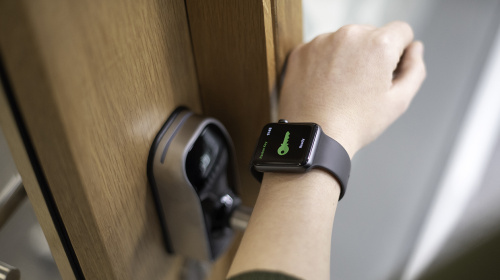
Mobile access control allows authorised users to unlock doors, gates or controlled areas using a smartphone, smartwatch or digital credential.
Depending on the system, mobile access may use technologies such as:
- Bluetooth mobile credentials
- NFC mobile credentials
- Smartphone apps
- Digital wallets
- QR code credentials
- Cloud-based access permissions
- Time-limited visitor or contractor access
The right approach will depend on the building, access control platform, security requirements and how the site is managed day to day.
What Are Digital Key Systems?
Digital key systems replace or supplement traditional physical keys, cards and fobs with electronic credentials that can be issued, changed or removed digitally.
Instead of handing out physical keys, an administrator can issue a digital credential to an approved user. That credential may allow access to specific doors, areas or sites for a defined period.
Digital keys can be useful where organisations need to manage:
- Staff access
- Visitor access
- Contractor access
- Guest access
- Member access
- Out-of-hours access
- Temporary or time-limited permissions
- Multi-site access control
This can reduce the administrative burden of physical key management while improving visibility over who has been given access.
Why Businesses Are Moving Away from Traditional Keys, Cards and Fobs
Traditional keys, cards and fobs can still be suitable in many environments, but they often create practical problems for building owners and managers.
Common issues include:
- Lost keys, cards or fobs
- Former staff retaining access credentials
- Delays issuing replacement credentials
- Difficulty managing temporary users
- No simple audit trail for mechanical keys
- Cost and inconvenience of replacing physical credentials
- Poor visibility across multiple sites
- Uncertainty around who currently has access
Mobile access control helps address these issues by providing a more flexible way to issue, amend and revoke access permissions.
Benefits of Mobile Access Control and Digital Keys
When correctly specified and managed, mobile access control can provide practical benefits for organisations that need better control over people, doors and buildings.
Potential benefits include:
- Reduced reliance on physical keys, cards and fobs
- Remote credential issuing and removal
- Faster onboarding and offboarding of users
- Temporary access for visitors, guests and contractors
- Improved audit trails and event history
- Greater flexibility for multi-site organisations
- Reduced disruption when credentials are lost
- Improved convenience for authorised users
- Better control over out-of-hours access
Digital credentials do not remove the need for good access control management, but they can make day-to-day administration easier and more responsive.
Who Are Digital Key Systems Suitable For?
Mobile access control and digital key systems can be used across a wide range of sectors where security, convenience and access management are important.
Common applications include:
- Commercial Offices
- Schools & Academies
- Holiday Lets & Serviced Accommodation
- Health Clubs & Gyms
- Golf Clubs
- Warehouses & Industrial Premises
- Storage Facilities
- Apartment Buildings
- Managed Workspaces
- Public Buildings
- Healthcare Facilities
- Multi-Site Organisations
The most appropriate solution will depend on the operational requirements of the building, user volumes and how access permissions need to be managed.
“
Can Existing Access Control Systems Be Upgraded for Digital Keys?
In many cases, existing access control and door entry systems can often be upgraded, adapted or expanded to support digital keys, mobile credentials or smartphone-based access control.
This does not always mean replacing the whole system. Depending on the existing hardware, software platform, readers and system design, possible upgrade options may include:
- Adding mobile credential functionality
- Upgrading selected readers
- Adding cloud-based administration
- Introducing app-based credentials
- Adding QR code visitor access
- Improving user management and permissions
- Creating a phased migration from cards or fobs to digital credentials
- Combining existing credentials with new mobile options
The best approach should always be based on a survey of the existing system. Some systems can be upgraded relatively easily, while others may require replacement or phased modernisation.
i Security can assess existing access control and door entry systems and advise whether mobile access, digital keys or a hybrid approach is practical.
Mobile Access Control for Workplaces
Modern workplaces need access control systems that can adapt to changing working patterns, hybrid working, contractors, temporary staff and restricted areas.
Mobile access control can help workplaces manage:
- Employee access permissions
- Flexible working arrangements
- Contractor access
- Meeting room access
- Departmental restrictions
- Multi-floor access
- Staff onboarding and offboarding
- Audit trails for sensitive areas
For offices and commercial premises, digital credentials can simplify building access without relying entirely on physical cards or fobs.
Digital Keys for Schools and Education Sites
Schools and academies often need to manage access for staff, governors, contractors, cleaning teams, visitors and external service providers.
Digital key systems can help schools:
- Reduce reliance on physical keys
- Manage staff access permissions
- Control access to safeguarding-sensitive areas
- Issue temporary access to contractors
- Support reception and visitor procedures
- Improve visibility of access events
- Adapt permissions as staffing changes occur
Mobile access control can also support wider school security strategies when combined with visitor management, CCTV, door entry and lockdown planning.
Digital Keys for Holiday Lets and Serviced Accommodation
Holiday lets, serviced apartments and short-term rental properties often rely on key safes, manual handovers or physical keys. These methods can create security and management issues, particularly when guests change regularly.
Digital key systems can help property owners and managers provide controlled guest access without physically handing over keys.
Benefits may include:
- Remote guest access management
- Time-limited access for bookings
- No physical key handover
- Reduced risk from lost keys
- Access permissions that can be removed after a stay
- Improved auditability
- Simpler management of cleaners and maintenance contractors
This can be particularly useful for holiday let operators, serviced accommodation providers and landlords managing multiple properties.
Mobile Access Control for Health Clubs, Gyms and Leisure Facilities
Health clubs, gyms and leisure facilities often need to manage access for members, staff, cleaners, personal trainers and contractors.
Mobile access control can help operators manage:
- Member access
- Out-of-hours gym entry
- Changing room access
- Staff-only areas
- Plant rooms and storage areas
- Temporary access for instructors or contractors
- Access permissions linked to membership status
Digital credentials can reduce reliance on cards or fobs while improving convenience for members and site operators.
Digital Key Systems for Golf Clubs and Golf Courses
Golf clubs and golf courses often have multiple buildings and areas that need different levels of controlled access.
These may include:
- Clubhouses
- Locker rooms
- Buggy stores
- Pro shops
- Greenkeeping stores
- Workshops
- Function rooms
- Staff-only areas
Digital key systems can help control access for members, staff, visitors, contractors and event users while giving the club better visibility over access activity.
Access Control for Storage Facilities and Unmanned Buildings
Storage facilities, remote buildings and unmanned sites often require secure access without having staff permanently present.
Mobile access control can be suitable for:
- Self-storage facilities
- Unmanned storage buildings
- Plant rooms
- Equipment stores
- Remote offices
- Utility buildings
- Yards and compounds
- Multi-unit storage sites
Digital credentials can be issued remotely, restricted to specific times and removed when access is no longer required.
For unmanned buildings, this can improve operational control while reducing the need for physical key distribution.
Visitor and Contractor Digital Access
Many organisations need to provide temporary access to people who are not permanent members of staff.
This may include:
- Maintenance contractors
- Cleaners
- Delivery personnel
- Temporary workers
- External trainers
- Facilities management providers
- Guests and visitors
Digital access can be configured to restrict access by user, door, time, date or location, depending on the access control platform.
This helps reduce the risk of old keys, cards or codes remaining in circulation after access is no longer required.
Mobile Access, Door Entry and Intercom Systems
Mobile access control can often form part of a wider door entry or building access strategy.
Depending on the system, it may be possible to combine digital keys with:
- Video intercom systems
- Audio door entry systems
- Visitor management systems
- Automatic doors
- Gates and barriers
- Reception access control
- Remote entry management
This can be especially useful for apartment buildings, managed offices, schools, leisure sites, storage facilities and multi-occupancy premises.
Mobile Credentials and Paxton Access Control
Many modern access control platforms now support mobile credentials. Paxton10, for example, supports smart credentials through the Paxton Key app, allowing smartphones and compatible smartwatches to be used instead of traditional tokens on Paxton10 systems.
For organisations using or considering Paxton access control, mobile credentials may provide a useful path towards more flexible access management.
The suitability of mobile access will depend on the existing system, software version, reader compatibility and site requirements.
Choosing the Right Mobile Access Control System
There is no single digital key system that is right for every building.
The most appropriate solution will depend on:
- The type of building
- The number of users
- The number of doors or access points
- Whether the site is occupied or unmanned
- Whether temporary access is required
- Whether the existing system can be upgraded
- How administrators need to manage users
- Whether mobile credentials, cards and fobs need to work together
- Whether integration with CCTV, intercoms or visitor management is required
i Security can help assess your requirements and recommend a practical access control solution that supports both security and day-to-day operations.
Why Choose i Security?
Since 2011, i Security has helped schools, commercial organisations, property owners and public-sector clients improve site security through practical, integrated security solutions.
We understand that access control is not just about locking doors. It is about managing people, buildings, permissions and risk in a way that works for the organisation.
Our experience includes access control, Paxton systems, door entry, visitor management, CCTV, gates, barriers and integrated building security.
Whether you require a new digital key system, an upgrade to an existing access control system or practical advice on mobile credentials, our team can help.
Frequently Asked Questions
What is mobile access control?
Mobile access control allows authorised users to access doors, gates or restricted areas using a smartphone, smartwatch or digital credential instead of relying only on keys, cards or fobs.
What is a digital key system?
A digital key system uses electronic credentials that can be issued, changed or removed digitally. This can help organisations manage access without distributing physical keys.
Can I use my phone instead of an access card or fob?
In many modern access control systems, yes. Some systems allow users to use a smartphone or smartwatch as an access credential. The available options depend on the access control platform, readers and system configuration.
Can my existing access control system be upgraded to use digital keys?
In many cases, existing access control or door entry systems can often be upgraded or adapted to support mobile credentials. This depends on the current hardware, software, readers and system design.
Do digital keys replace physical keys completely?
Not always. Many organisations use digital keys alongside cards, fobs or traditional keys during a phased transition or where different user groups require different access methods.
Are digital key systems suitable for holiday lets?
Yes, digital key systems can be useful for holiday lets and serviced accommodation because guest access can often be issued for a defined period without a physical key handover.
Can mobile access control be used for gyms and health clubs?
Yes, mobile credentials can be used to help manage member access, staff areas, out-of-hours entry and restricted facilities, depending on the access control system selected.
Are digital keys useful for golf clubs?
Yes, golf clubs can use digital access control to manage member, staff, contractor and visitor access to clubhouses, locker rooms, buggy stores, workshops and other controlled areas.
Can mobile access control be used for self-storage facilities?
Yes, mobile access control can be useful for self-storage sites and unmanned buildings where access needs to be issued, controlled and removed without staff being permanently present.
What happens if someone loses their phone?
With many mobile credential systems, the digital credential can be disabled or removed by an administrator. The exact process depends on the access control platform in use.
Is mobile access control secure?
Mobile access control can provide strong security when correctly specified, configured and managed. Security depends on the platform, credential technology, reader compatibility, administration controls and user procedures.
Can digital keys be time-limited?
Many systems support time-limited or restricted access permissions, which can be useful for visitors, contractors, guests, cleaners, temporary staff and short-term users.
Can mobile access control integrate with door entry systems?
In many cases, yes. Mobile access control can often form part of a wider door entry, intercom, visitor management or building security system, depending on the equipment and platform used.
Is mobile access control suitable for schools?
Yes, mobile access control can be suitable for schools where staff access, contractor access, visitor procedures and restricted areas need to be managed carefully.
Can digital keys be issued remotely?
Many mobile access control systems allow administrators to issue digital credentials remotely without having to physically hand over keys, cards or fobs. The exact functionality depends on the access control platform being used.
Do I need a completely new access control system?
Not always. Some existing access control systems can be upgraded or migrated in phases. A site survey can help determine whether your current system can support digital keys or whether replacement is more appropriate.
Need Advice on Mobile Access Control or Digital Keys?
If you are considering smartphone access, digital keys, mobile credentials or an upgrade to an existing access control system, i Security can help.
Contact i Security today to discuss mobile access control and digital key systems for your building, site or property portfolio.