School Fire Alarm Requirements: BB100 and BS 5839-1:2025 Explained
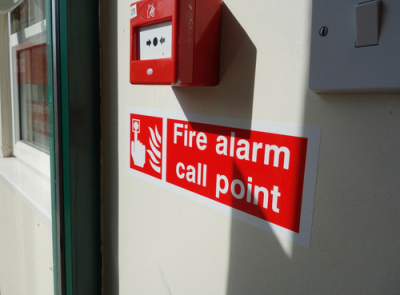
Fire safety remains a critical responsibility for school leaders, estates teams, academy trusts and responsible persons. Understanding current school fire alarm requirements is essential for maintaining a safe learning environment and demonstrating compliance with relevant fire safety legislation.
Whilst Ofsted does not specify fire alarm categories or technical design requirements, schools are expected to maintain safe premises and effective risk management arrangements. Current expectations are influenced by the Regulatory Reform (Fire Safety) Order 2005, Department for Education guidance, Building Bulletin 100 (BB100) and the recommendations contained within BS 5839-1:2025.
Who Should Read This Guide?
- School Business Managers
- School Site Managers
- Academy Trust Estates Teams
- Responsible Persons for Fire Safety
- Facilities Managers
- School Governors and Trustees
What Does Ofsted Expect?
Although Ofsted does not set specific fire alarm standards, inspectors expect schools to demonstrate effective safeguarding, risk management and compliance with statutory duties.
Schools should be able to demonstrate compliance with:
- The Regulatory Reform (Fire Safety) Order 2005
- A suitable and sufficient school fire risk assessment
- Relevant Department for Education guidance, including BB100 Fire Safety Design for Schools
- Relevant British Standards, including BS 5839-1:2025
Common Findings During School Fire Alarm Reviews
When reviewing fire alarm systems within schools, it is common to find systems that have evolved over many years through extensions, refurbishments and changes in building use.
Areas that frequently warrant further review include:
- Older teaching blocks
- Roof voids above circulation routes
- Temporary classrooms
- Plant rooms and boiler rooms
- Science laboratories and DT areas
- Recently altered or extended buildings
Whilst a system may continue to operate correctly, changes to the building or its use can sometimes mean the original fire detection strategy no longer fully reflects current risks, guidance or operational requirements.
ARRANGE A FIRE SAFETY CONSULTATION
Understanding Fire Alarm Categories in Schools
BS 5839-1:2025 identifies several categories of fire alarm system used within educational premises.
- Category M – Manual fire alarm systems relying on manual call points
- Category L – Automatic fire detection systems intended primarily for life protection
- Category P – Automatic fire detection systems intended primarily for property protection
Within the Category L classifications there are several levels of protection ranging from L1 through to L5.
Many schools utilise Category L2 fire alarm systems because they provide automatic fire detection within escape routes and defined higher-risk areas. However, the most appropriate category should always be determined by the building’s fire strategy, fire risk assessment and relevant design guidance.
What Does a Typical School Fire Detection Strategy Include?
Whilst every school should be assessed individually, a typical school fire detection strategy may include:
- Automatic fire detection within escape routes
- Detection within plant rooms and boiler rooms
- Detection within kitchens and catering facilities
- Detection within science laboratories and specialist teaching spaces
- Manual call points positioned at exits and strategic locations
- Audible warning devices throughout occupied areas
The objective is to provide early warning and support safe evacuation of pupils, staff and visitors.
Questions School Leaders Should Be Asking
- When was our fire alarm category last formally reviewed?
- Does our school fire risk assessment reflect current building use?
- Have extensions, refurbishments or building alterations been considered?
- Have roof voids, plant rooms and specialist teaching areas been assessed appropriately?
- Are weekly fire alarm tests being completed and recorded?
- Are maintenance records readily available?
- Is fire safety training up to date?
Changes in School Buildings Can Alter Fire Detection Requirements
Many schools have undergone extensions, classroom conversions, roof space alterations, energy efficiency projects and solar PV installations over the last decade. Whilst these projects may improve the building, they can also affect the original fire detection strategy and should be considered when reviewing school fire safety arrangements.
A system that was appropriate when originally installed may not always reflect the current risk profile of the building.
Fire Safety Management and Documentation
An effective school fire safety strategy extends beyond the fire alarm system itself.
Schools should maintain:
- A current fire risk assessment
- Fire alarm testing and maintenance records
- Staff fire safety training records
- Emergency evacuation procedures
- Fire drill records and review documentation
Frequently Asked Questions
What fire alarm category should a school have?
The appropriate fire alarm category should be determined by the building’s fire strategy, fire risk assessment and relevant guidance. Many schools utilise Category L2 systems, but requirements can vary.
Does Ofsted inspect fire alarm systems?
Ofsted does not normally assess fire alarm systems against specific technical standards. However, schools are expected to maintain safe premises and comply with relevant fire safety legislation.
How often should a school fire alarm system be serviced?
Fire alarm systems should be inspected, tested and maintained in accordance with the manufacturer’s recommendations and relevant British Standards.
Does a school need a fire risk assessment?
Yes. Schools are required to have a suitable and sufficient fire risk assessment under the Regulatory Reform (Fire Safety) Order 2005.
Further Reading and Resources
- https://www.gov.uk/government/publications/building-bulletin-100-design-for-fire-safety-in-schoolsBuilding Bulletin 100 (BB100) – Design for Fire Safety in Schools
- https://www.fia.uk.comFire Industry Association (FIA)
- https://www.gov.uk/government/publications/fire-safety-risk-assessment-educational-premisesFire Safety Risk Assessment – Educational Premises
Need an Independent Fire Alarm Review?
If your school has been extended, refurbished, repurposed or has not had its fire detection strategy reviewed for several years, an independent assessment can help determine whether the existing system remains appropriate.
i Security provides school fire alarm reviews, maintenance support and practical fire safety advice for schools, academies and educational premises throughout the North West.