Fire Alarm Weekly Testing Guide
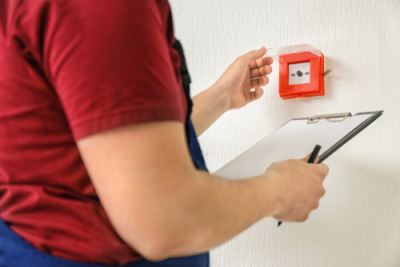
How to Perform a Weekly Fire Alarm Test: A Simple Guide
Fire alarm systems are a critical part of any building’s fire safety arrangements. Regular weekly fire alarm testing helps confirm that the system remains operational and that building occupants can hear and respond to the alarm signal when required.
BS 5839-1 provides recommendations for the testing and maintenance of fire alarm systems in non-domestic premises. A simple weekly test can help identify faults early and provide confidence that the fire alarm system is functioning correctly.
Why Weekly Fire Alarm Testing Matters
Regular weekly fire alarm tests help:
- Confirm the fire alarm system is operational
- Identify faults at an early stage
- Check that alarm sounders can be heard
- Verify that manual call points are functioning correctly
- Support effective fire safety management procedures
Common Issues Found During Weekly Fire Alarm Tests
Weekly fire alarm testing is often the first indication that something within the system requires attention.
During routine maintenance visits, common issues identified by responsible persons include:
- Fault indications on the fire alarm control panel
- Failed or damaged manual call points
- Inaccessible fire alarm devices
- Sounders not operating correctly
- Communication issues with monitoring centres
- Battery or power supply faults
Identifying these problems early can help prevent more significant issues during an actual emergency.
Who Should Carry Out the Weekly Fire Alarm Test?
Weekly fire alarm testing can often be carried out by a responsible person, building manager, facilities manager or another suitably instructed member of staff.
You do not normally need to be a fire alarm engineer to undertake routine weekly tests, although staff should understand the basic operation of the system and site procedures.
What You’ll Need
- Access to the fire alarm control panel using the appropriate key, code or authorisation
- A fire alarm test key or device suitable for the manual call points installed
- A fire alarm logbook or digital recording system
- Contact details for your Alarm Receiving Centre (ARC), if applicable
Step-by-Step: Weekly Fire Alarm Test Procedure
1. Inform Building Occupants
Where appropriate, inform staff, occupants and visitors that a fire alarm test is about to take place. This helps avoid unnecessary concern or evacuation.
Many organisations carry out their weekly fire alarm test at the same time and on the same day each week so that occupants become familiar with the routine.
2. Notify the Alarm Receiving Centre (ARC)
If your fire alarm system is connected to an Alarm Receiving Centre, place the system on test before activating the alarm. This helps prevent unnecessary emergency service responses and unwanted alarm activations.
Tip: All fire alarm systems that have a connection to an ARC now have to have a warning sticker in place at the fire panel.
3. Select a Manual Call Point
BS 5839-1 recommends that a different manual call point is tested on each occasion where practicable. Rotating call points helps confirm that devices throughout the building remain operational and allows issues to be identified at an early stage.
In larger buildings or on complex sites, it may not always be practical to test a different call point every week. In these cases, select a suitable call point that allows the test to be completed safely and efficiently.
4. Activate the Call Point
Use the appropriate test key to activate the selected manual call point.
The fire alarm should operate and alarm sounders should be heard throughout the building.
Tip: Once activated, many manual call points can be reset by removing the test key and re-inserting the reset mechanism in accordance with the manufacturer’s instructions.
5. Check the Fire Alarm Control Panel
Confirm that the control panel correctly identifies the device, zone or location that has been activated.
Check for any fault indications, warning messages or abnormal system conditions.
6. Reset the Fire Alarm System
Once satisfactory operation has been confirmed, reset the fire alarm system using the control panel controls.
Ensure all alarm indications have cleared and the system has returned to normal operation.
7. Contact the ARC Again
If monitoring is provided, notify the Alarm Receiving Centre that testing has been completed and confirm that the test signal was received and restored, and the system can be taken off test.
8. Record the Test in the Fire Alarm Logbook
Each weekly fire alarm test should be recorded.
Typical logbook entries include:
- Date and time of the test
- Location of the call point tested
- Name of the person carrying out the test
- Confirmation that the fire alarm operated correctly
- Details of any faults identified
- Actions taken to resolve issues
What Should Be Recorded in the Fire Alarm Logbook?
Maintaining accurate records forms an important part of fire safety management.
A well-maintained fire alarm logbook can demonstrate that routine weekly fire alarm checks are being completed and provides a record of any faults or corrective actions.
What If Something Doesn’t Work?
If the fire alarm does not operate correctly, a fault condition is indicated or a manual call point fails to activate:
- Record the issue immediately
- Report the fault to the responsible person
- Contact your fire alarm maintenance provider
- Review any temporary measures that may be required until repairs are completed
Fire alarm faults should not be ignored, as they may affect the effectiveness of the building’s fire safety arrangements.
Frequently Asked Questions
How often should a fire alarm be tested?
Many fire alarm systems are tested weekly to confirm that manual call points, alarm sounders and control equipment remain operational.
Who can carry out a weekly fire alarm test?
A responsible person, building manager, facilities manager or suitably instructed member of staff can often perform routine weekly fire alarm testing.
Do I need to test a different call point each week?
Where practical, rotating the call point tested each week helps verify that all manual call points remain operational and allows faults to be identified throughout the building.
Should I notify the Alarm Receiving Centre before testing?
Yes. If your system is monitored, the Alarm Receiving Centre should normally be contacted before and after testing to prevent unwanted alarm activations.
Need Help with Fire Alarm Maintenance?
If you are unsure how to carry out a weekly fire alarm test, need assistance with maintenance procedures or have concerns about your fire alarm system, seek advice from a competent fire alarm service provider.
i Security provides fire alarm maintenance, system inspections and practical fire safety support for commercial, educational and public-sector premises.
Final Tip
If your building operates across multiple shift patterns, consider varying the timing of occasional fire alarm tests. This can help ensure that staff working different shifts become familiar with the alarm signal and understand the appropriate emergency procedures.